
Historic Main Street
Roof condition, visible edges and occupied storefront work near the historic 100 block of South Main.
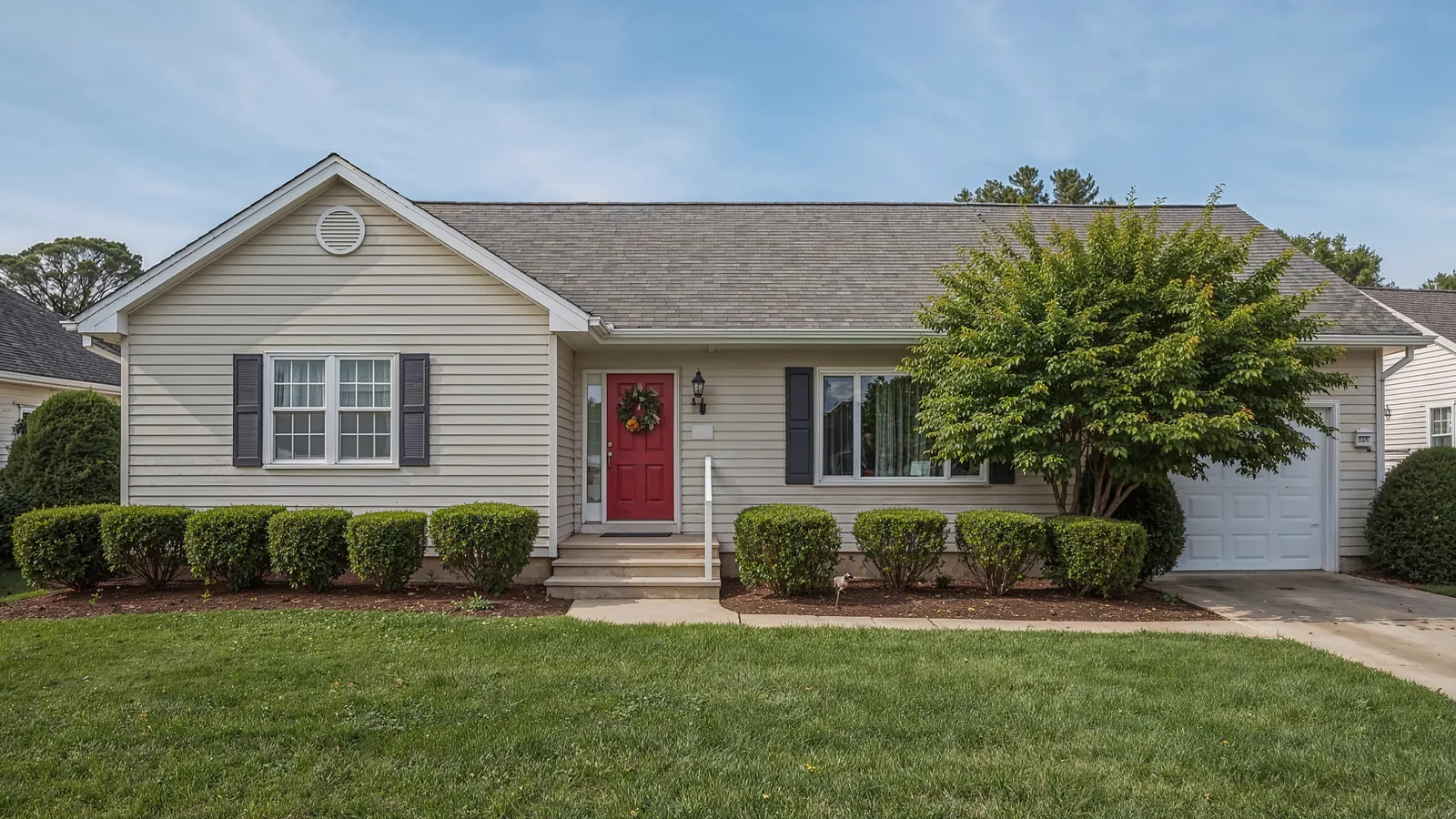
Get the roof problem explained and the work put in perspective. Start with a free inspection for your Spring Hill home or business.
Free roof inspections for Spring Hill homes and businesses.
A roof problem needs a clear explanation before it needs a big decision. Whether rain is reaching a ceiling, shingles have come loose, or you're planning a new roof, start with a free inspection. A roofer walks the roof when conditions allow, looks at the covering and the places it joins walls and pipes, and helps separate a repair from work that needs a wider scope. Tell us where the property is and what you've noticed. We'll help you take the next step.
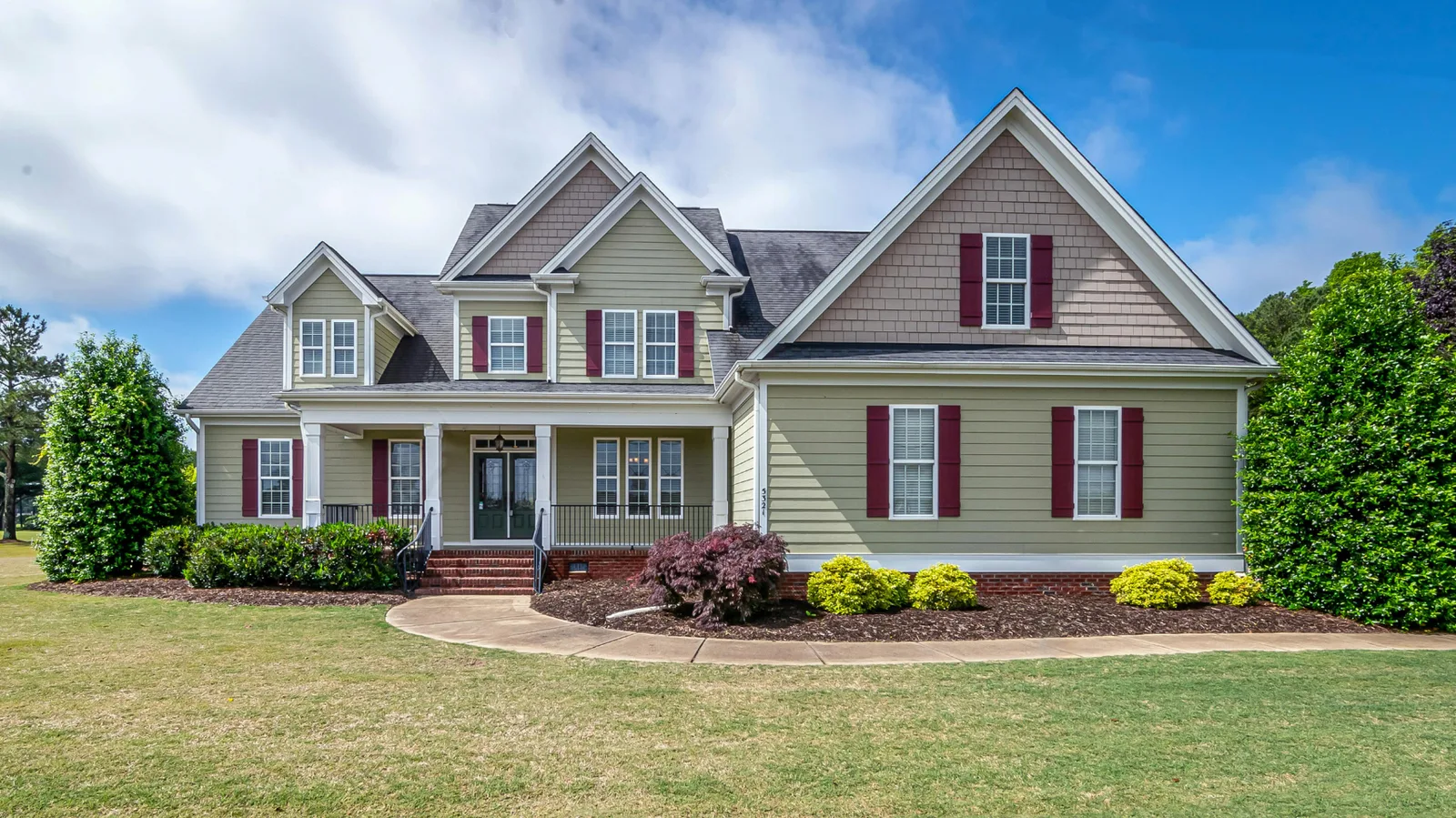
The size of an indoor stain does not determine the amount of roof work. The condition around the opening sets the useful boundary.
A split pipe boot can let water follow a plumbing vent into the attic even while the surrounding shingles are sound. A repair can replace that flashing and restore its overlap with the shingles. A valley with damaged metal or a chimney joint that has pulled apart needs its own repair detail, rather than another coat of sealant over the stain's apparent location. The condition around the opening matters: shingles that break when lifted make it harder to tie a lasting patch into the roof.
Replacement becomes the more useful conversation when deterioration extends across several slopes, repairs keep moving to new places, or the covering can't support a sound repair. A reroof includes more than the visible shingle. Tear-off exposes the deck, damaged decking needs a defined change in scope, and underlayment, flashing, edge details and ventilation work together beneath and around the new covering. Keep localized repair and complete replacement as separate choices until the roof's condition supports the answer.
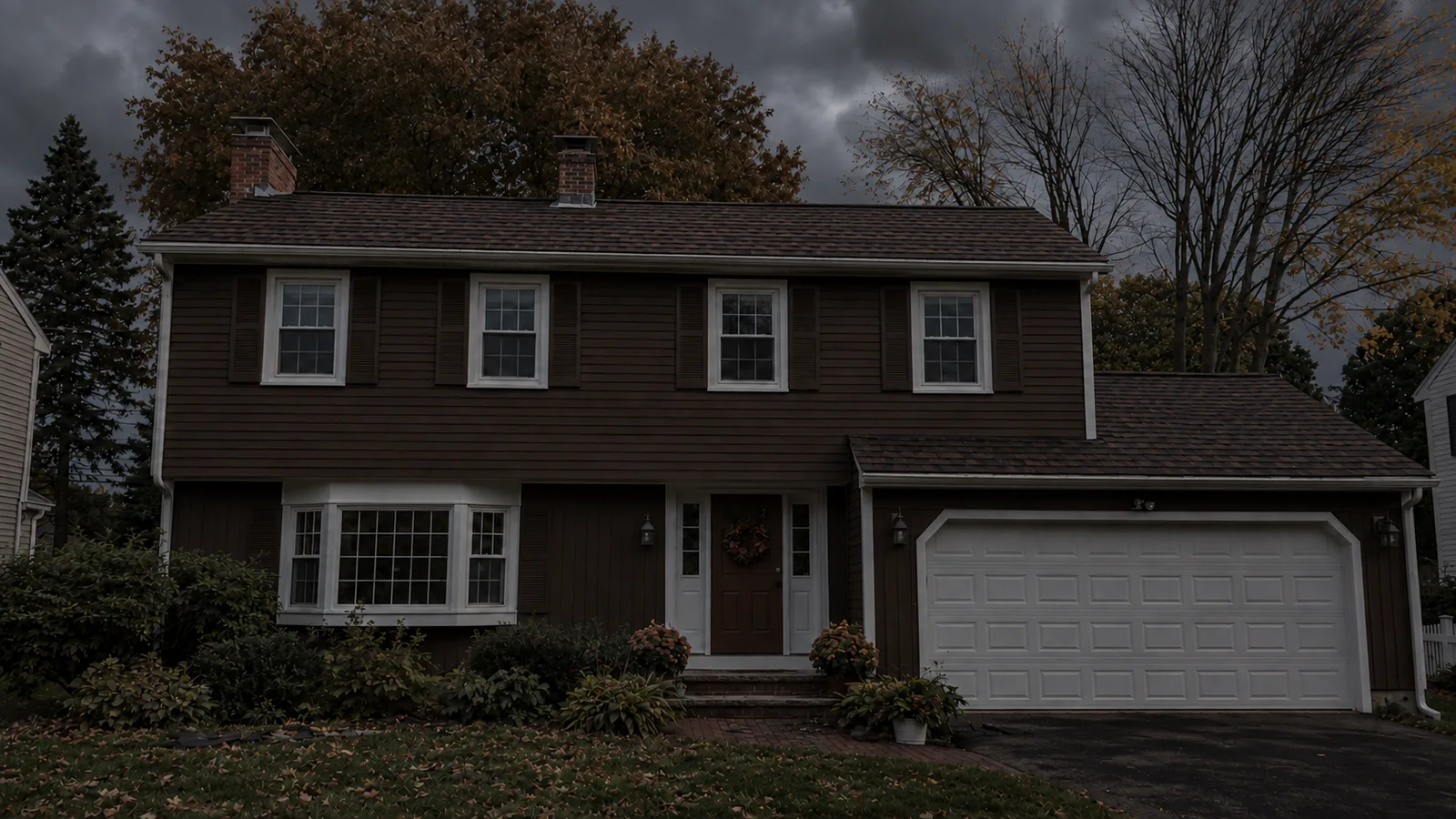
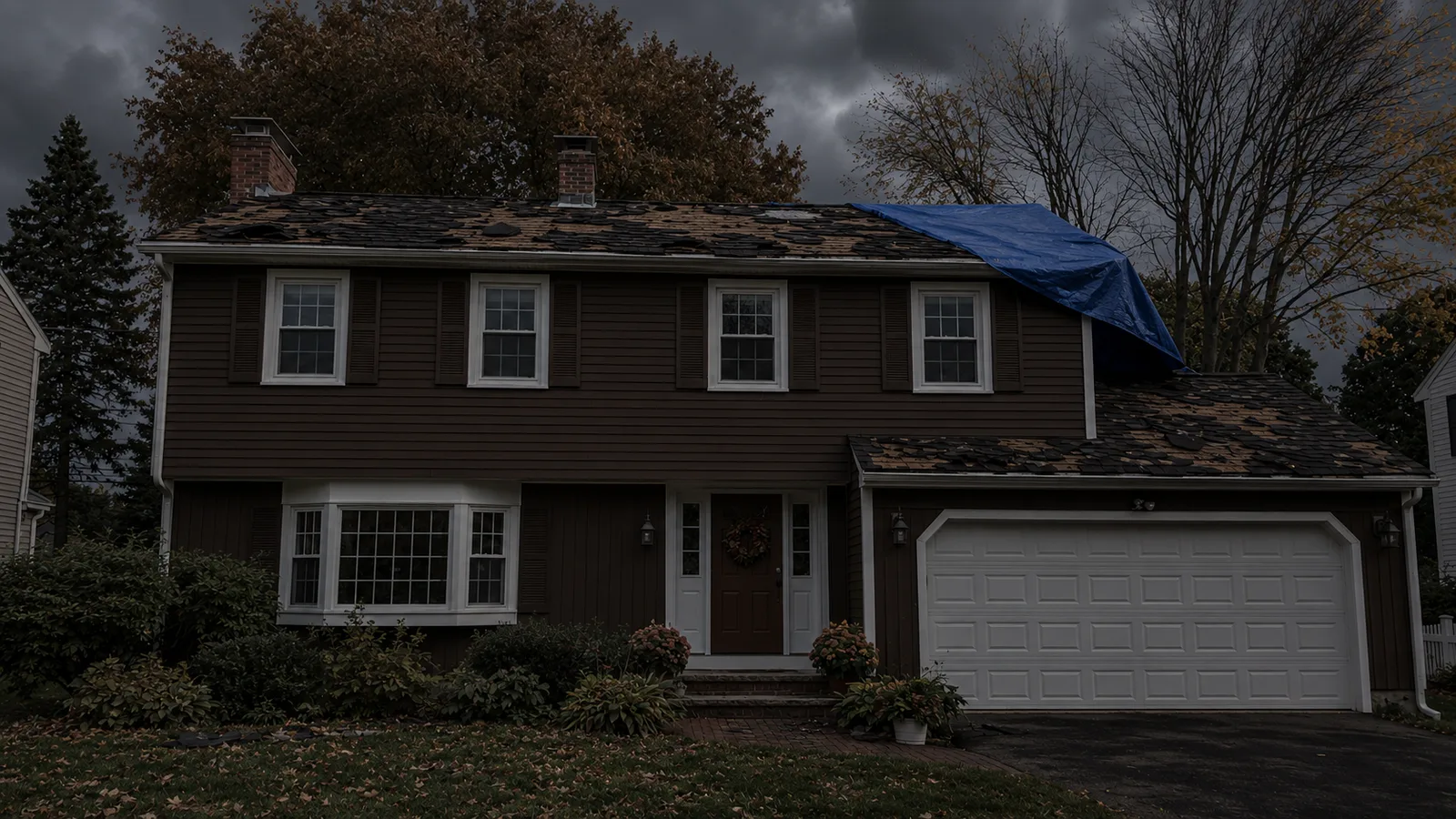
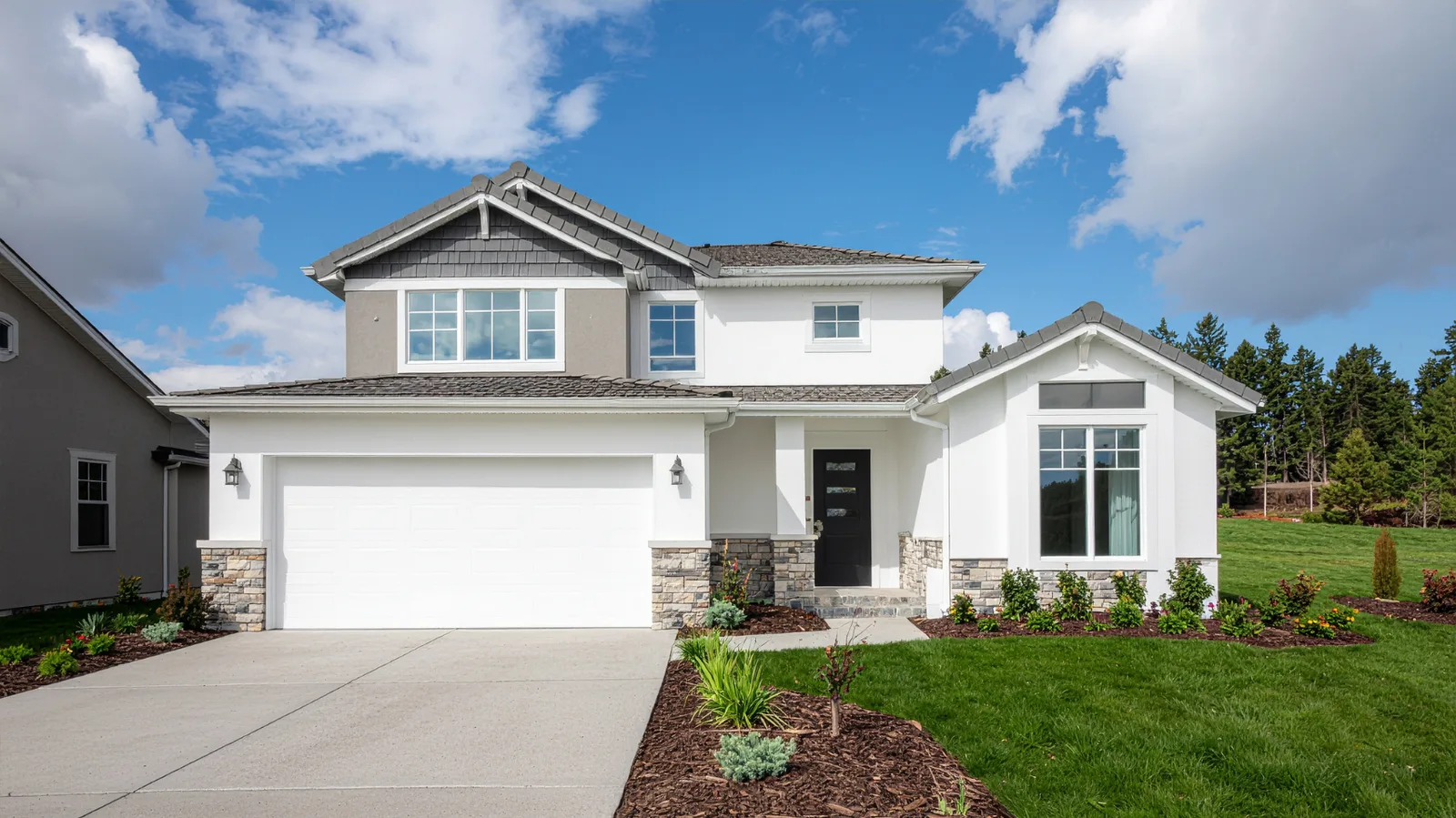
Move the divider to compare the whole house. The finished surface is visible; the deck, underlayment and flashing beneath it still determine how the roof handles water. This supplied comparison illustrates the roofing decision and is not a Spring Hill Roofing Co project.
The material choice includes construction, tested performance and how the roof can be maintained. Appearance is part of the decision, along with the pitch and detail work.
Dimensional asphalt shingles provide a familiar repair method and a broad choice of profiles and colors. Compatible replacement pieces need to fit the existing courses and fastening. Weathered material can look different from new shingles.
A tested impact classification belongs to the specific product. It does not make the installed roof immune to hail. The complete assembly, installation and event matter; any insurance discount depends on the insurer.
Panels, clips, thermal movement and flashing details change the construction as well as the look. Metal usually belongs in a different budget conversation than asphalt. Roof shape, penetrations and future service access matter alongside the panel finish.
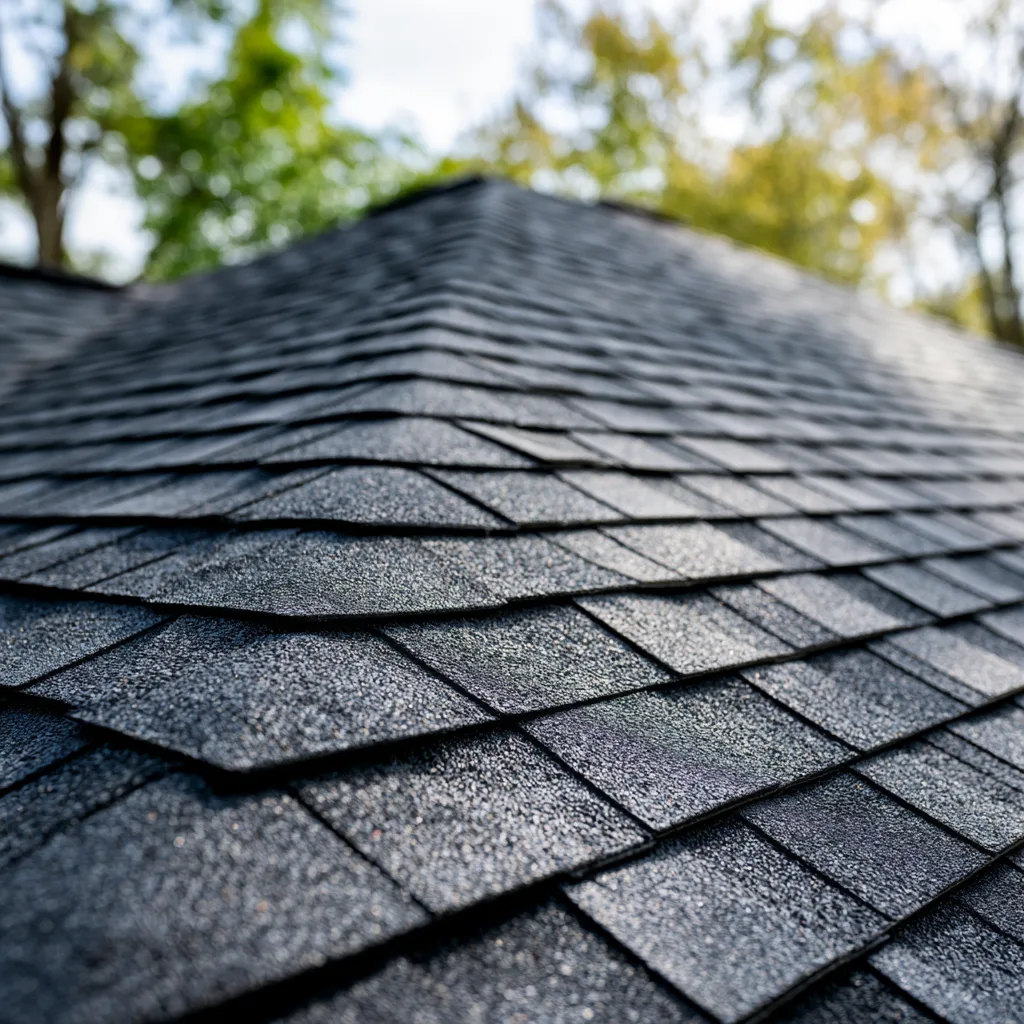
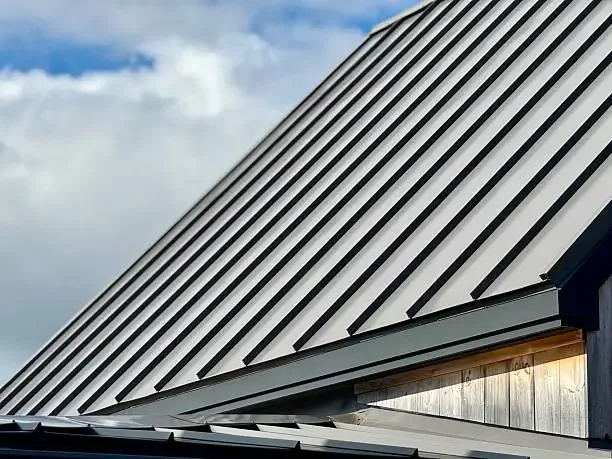
A Kansas City metro planning benchmark puts a 2,000-square-foot architectural-asphalt roof surface at $8,000 to $12,000, with one-layer removal and the stated basic reroof work. The actual roof conditions change the scope.
Roof surface differs from house floor area. Steep slopes and dormers add surface and labor; valleys, walls and chimneys add flashing work.
Extra covering layers add handling and disposal. Deck damage exposed after removal needs a defined change in scope before the new assembly covers it.
Material placement and debris paths affect the work. Metal, repairs, commercial systems and structural changes need their own scope rather than the asphalt model.
Loose shingles, damaged flashings and impact marks need inspection in context. Hail on the ground or a nearby report does not establish damage at a particular address. The roof assessment looks at the covering and related details; a claim decision and payment remain with the policy and insurer. If water is getting inside, temporary protection addresses the opening while permanent work is planned. Keep off the roof and tell us about the active leak when requesting help.
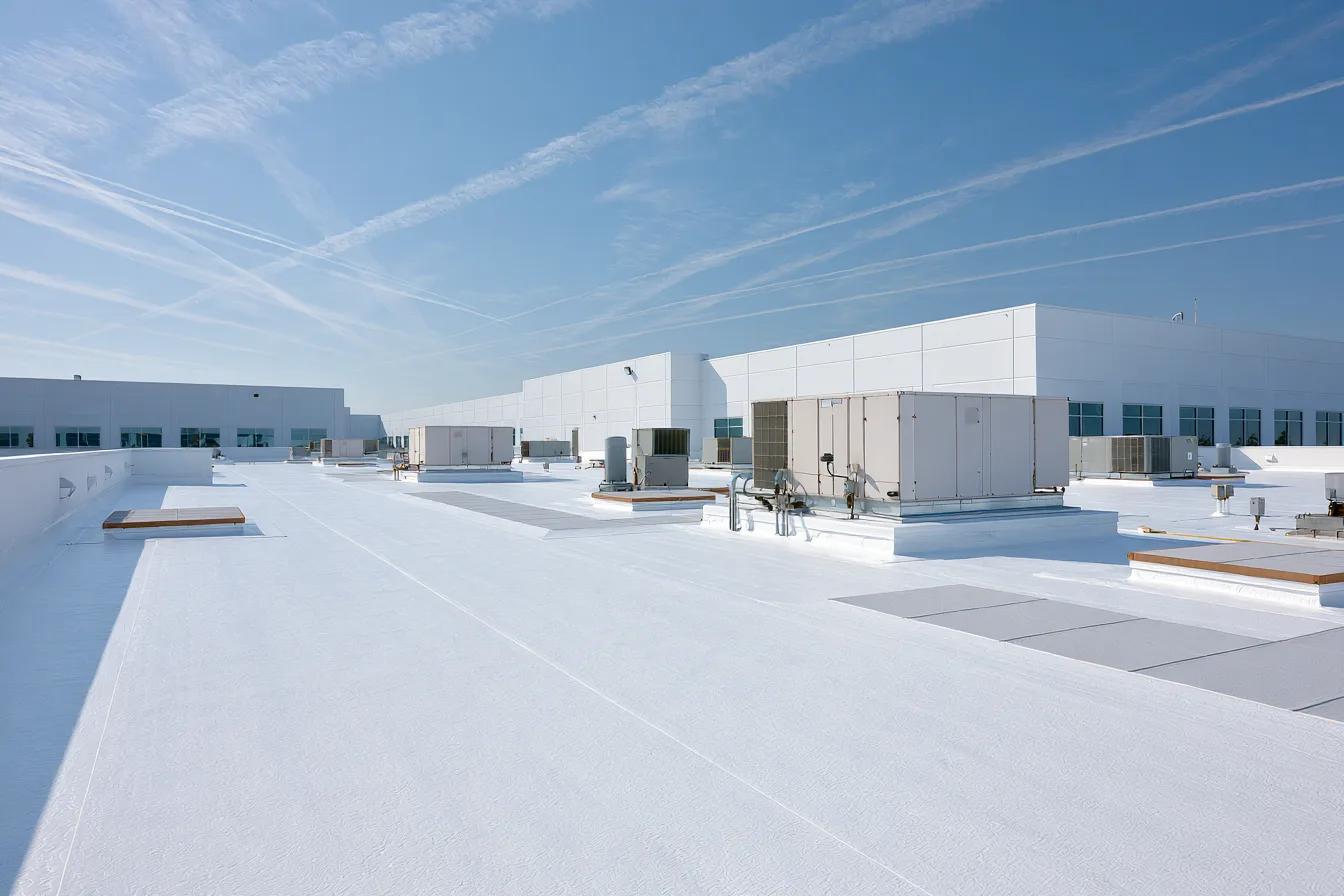
A low-slope roof needs a different inspection from a house roof. Seams, rooftop-equipment curbs, drains and perimeter flashings interrupt the membrane, and wet insulation changes whether repair, restoration or replacement makes sense. For an occupied property, access, tenant protection and equipment coordination belong in the work scope. Our commercial pages explain TPO, EPDM, coating suitability and flat-roof repairs without treating every building as a coating candidate.
Find help for a home, an occupied business or a mixed-use property. The service-area guide locates the verified city districts without guessing the age or condition of their roofs.
Roof condition, visible edges and occupied storefront work near the historic 100 block of South Main.
Roofing help for the actual property along the Town Core planning corridor.
Yes, when the failed detail can be repaired into sound surrounding material. Brittle shingles, damaged decking and widespread deterioration can widen the scope. The free inspection helps establish that boundary.
A roofer examines the covering and the places it meets walls, pipes and edges when access is safe. The findings guide whether a localized repair, further investigation or replacement discussion is useful.
No. Hail reports do not establish damage at a particular property. The physical condition of the covering and related details needs inspection; insurance coverage is a separate policy decision.
Tell us about the leak, damaged shingles or new roof you are planning. Request a free inspection or call (913) 538-0722. A roofer walks the roof when conditions allow safe access.